Most car batteries need replacing every three to five years. That is the short answer, but the honest one is that it depends, because two cars of the same age can be in very different health under the bonnet.
Your battery’s real lifespan is shaped by the weather you drive in, the journeys you make and the demands your car places on it. Get those factors in your favour, and a battery can comfortably reach the upper end of its range, but let them stack against you, and it can fail years early.
How Long Does a Car Battery Last?
A typical car battery lasts between three and five years. Some give up just before the three-year mark, while a well-cared-for battery in a regularly driven car can stretch closer to six. Manufacturers tend to quote a similar range, though the figure on paper rarely survives years of real-world weather, journeys and wear.
That window matters more than you might think, because many cars on the road are well past it. The average car in the UK is now 9.7 years old, the oldest on record, with more than 45.7% of cars over a decade old. In practice, that means a great many drivers are already on their second or third battery, often without realising it.
If you cannot remember when your battery was last changed, it is probably old enough to be worth checking!
4 Factors That Affect How Often You Need a New Car Battery
No two batteries wear out at the same rate. Four things do most of the work in deciding whether yours lasts three years or six.
1. The Weather and Climate
Temperature affects a battery more than anything else, in both hot and cold weather. Cold is the more obvious problem, because it slows the chemical reaction inside the battery just when your engine needs the most power to start.
The effect shows up in two main ways:
- In the cold: A battery loses around 20% of its capacity at 32°F, and close to half in a hard frost, which is why so many fail on the first cold morning of winter.
- In the heat: High summer temperatures evaporate the fluid inside the battery and speed up wear, and the capacity it loses rarely comes back in full.
Either way, the damage tends to build up over time, so a run of harsh winters and summers can noticeably shorten a battery’s life.
2. Your Driving Habits
How you drive matters as much as what you drive. Every time you start the car, the battery uses a burst of power, and it relies on a decent run afterwards for the alternator to recharge it. Frequent short journeys around town are the hardest of all on it.
Short trips never give the battery that chance. With around 70% of trips in England under five miles, many batteries are left only partially charged, which slowly shortens their life. Cars that sit unused for long periods have the same problem because a battery loses charge even when the engine is off.
3. The Battery’s Age and Quality
Not every battery is built to last the same length of time. A budget battery may save you money upfront, but it often wears out faster than a quality one matched to your car.
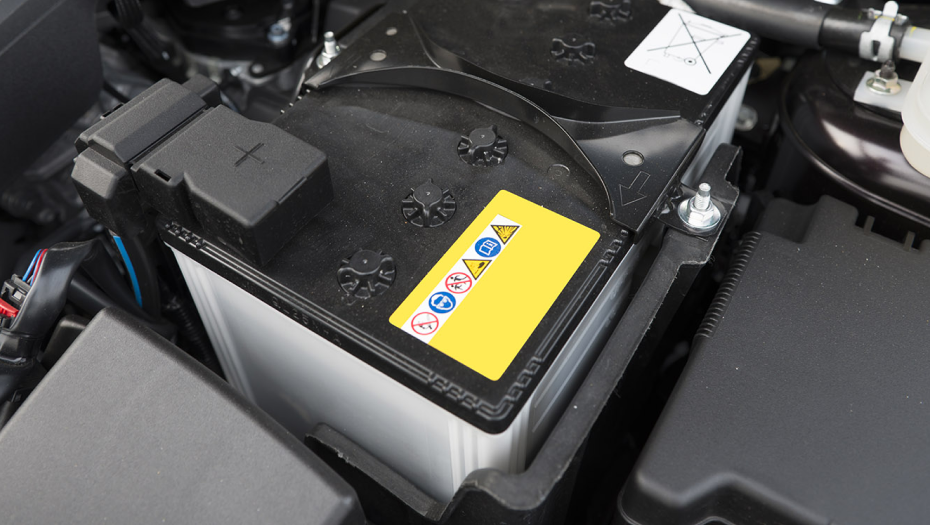
Age matters too. Even the best battery has a limited number of charge cycles, so once yours is past three years old, its performance starts to drop, whether or not you have noticed any symptoms. It is worth finding the date stamped on the casing, as it gives you a good idea of how much life is left.
4. Your Car’s Electrical Demands
Modern cars demand a lot from their batteries. Stop-start systems, which switch the engine off at every junction and restart it moments later, are especially demanding and need batteries built to handle the extra cycling.
On top of that, today’s cars draw power in ways older models never did:
- Onboard Electronics: Touchscreens, parking sensors and climate systems all pull on the battery while you drive.
- Parked-up Drain: Alarms, keyless entry and tracking systems keep using a small amount of power even when the car is switched off, leaving a weak battery with less to spare.
The more technology a car carries, the more it asks of the battery, which is why newer and higher-spec models often get through them faster.
Do Some Batteries Last Longer Than Others?
The type of battery fitted to your car makes a real difference to how long it lasts and how much it costs to replace. Most cars use one of three lead-acid types, and fitting the right one matters.
The main types you will come across are:
- Standard (SLI) Batteries: Fitted to older or simpler petrol and diesel cars, these are the most affordable and typically last around three to five years.
- EFB Batteries: A tougher design built for entry-level stop-start cars, made to handle frequent restarting without wearing out as quickly.
- AGM Batteries: The hardest-wearing option, fitted to advanced stop-start and higher-spec vehicles, built to cope with heavy electrical demand over a longer life.
Fitting a cheaper battery than your car was designed for is a false economy, because it will struggle with the workload and fail sooner. Electric and hybrid cars also have a normal 12-volt battery alongside their main drive battery, and that smaller one still needs replacing every few years like any other.
Signs Your Car Battery Needs Replacing
A failing battery usually gives you some warning before it dies completely. Knowing what to look for is worth the effort, because catching it early can save you a breakdown.
Watch out for these common signs:
- A slow or struggling engine crank when you turn the key or press start.
- Dim headlights or interior lights, especially when the engine is idling.
- A battery or charging warning light on the dashboard.
- A swollen or bloated battery case, often caused by extreme temperatures.
- Needing a jump-start more than once in a short space of time.
Any one of these is reason enough to have the battery tested. If it is also over three years old, treat the symptoms as a prompt to act rather than wait.
How to Make Your Car Battery Last Longer?
A few simple habits can add months, sometimes years, to a battery’s life, and none of them takes much effort.
- Drive for longer regularly: A weekly run of 20 minutes or more lets the alternator fully recharge the battery.
- Switch off the electrics: Turn off lights, heating and the radio before starting the engine, and check nothing is left on overnight.
- Keep the terminals clean: Wipe away any white or greenish corrosion, since a poor connection makes the battery work harder.
- Test it yearly after three years: A quick check during a service spots a weak battery before it strands you.
- Protect it in winter: Park in a garage where you can, and use the car often enough through cold spells to keep the charge topped up.
- Use a maintenance charger when idle: If the car sits unused for weeks at a time, a trickle charger keeps the battery healthy and ready to start.
Build a few of these into your routine,, and your battery is far less likely to catch you out with an early failure.
What to Do When Your Battery Stops Working?
If your car will not start and you suspect the battery, a jump-start will often get you moving again. Connect a set of jump leads to a healthy vehicle, or use a portable jump pack, then drive for a good half an hour to put some charge back in.
A jump-start is only a temporary fix, though. If the battery needed help once, it is likely to fail again, so book it in for a proper test and, if needed, a replacement. Most garages and parts shops can test a battery in a few minutes and tell you whether it is still holding a charge or needs changing.
A flat battery is not the only thing that can leave you stuck at the roadside, and a sudden flat tyre is just as common. At Mobile Tyre Local, we come to you with fast, 24/7 emergency tyre fitting, so a puncture or blowout never leaves you stranded for long.
Important FAQs
How often should I replace my car battery?
Most car batteries should be replaced every three to five years. The exact timing depends on the climate, your driving habits and the quality of the battery, so it is wise to have it tested once it passes three years old.
How do I know if it’s the battery and not something else?
A battery problem usually shows as a slow engine crank, dim lights, or a car that will not start but clicks when you turn the key. If the car jumps-starts easily and then runs fine, the battery is the likely cause, though a garage test will confirm it.
Can a car battery last 10 years?
It is rare, but possible in ideal conditions with a high-quality battery and gentle use. For most drivers in the UK climate, three to five years is far more realistic, and relying on a battery much beyond that risks a breakdown.
Does cold weather kill car batteries?
Cold weather does not usually kill a healthy battery outright, but it does reduce its available power and expose one that is already weak. That is why batteries so often fail on the first frosty morning rather than during milder spells.
How much does a replacement car battery cost in the UK?
As a rough guide, a standard car battery usually costs somewhere between £70 and £150, with larger or specialist batteries for stop-start and premium vehicles costing more. Fitting may be included or charged on top, depending on where you go.
Takeaway
For most drivers, a car battery needs replacing every three to five years, though cold weather, short journeys, an ageing battery and heavy electrical demands can all bring that forward. The good news is that a little care, plus a yearly test once the battery passes three years old, goes a long way towards avoiding an unexpected breakdown. If you keep an eye on the warning signs and act before the battery fails, you can replace it in your own time rather than after a breakdown at the roadside.
Caught out by a flat tyre instead?
Mobile Tyre Local is here around the clock. Our mobile fitters come to your home, workplace or roadside with fast, fairly priced tyre repairs and replacements, 24 hours a day, 7 days a week.
Call us now on 07731306351, and we will get you safely back on the road!